As winter’s chill gives way to spring’s gentle warmth, April unveils America’s landscape in a spectacular transformation. Cherry blossoms burst into pink clouds, desert wildflowers paint valleys in technicolor, and coastal breezes carry the promise of summer ahead. This pivotal month offers travelers a magical sweet spot: smaller crowds than peak season, comfortable temperatures, and nature’s most dramatic seasonal displays. Join us as we explore seven extraordinary American destinations that truly shine during this enchanting time of year.
In Brief: April’s Must-Visit U.S. Destinations
- Washington D.C. – Cherry blossom spectacle and cultural festivities
- Savannah, Georgia – Historic charm amplified by azalea blooms
- Death Valley, California – Rare wildflower superblooms and mild temperatures
- Zion National Park, Utah – Emerald waterfalls and perfect hiking conditions
- Charleston, South Carolina – Historic homes tour and garden showcases
- Skagit Valley, Washington – Mesmerizing tulip fields and festival events
- Sedona, Arizona – Red rock majesty and spiritual retreats
[toc]
Cherry blossom paradise: Washington D.C.’s pink revolution
The nation’s capital undergoes a magical transformation in April as over 3,000 cherry trees erupt in delicate pink and white blossoms around the Tidal Basin. This breathtaking display, a gift from Japan in 1912, creates an ethereal atmosphere that draws photographers, nature lovers, and romantics from across the globe. The National Cherry Blossom Festival (typically running late March through mid-April) elevates the experience with Japanese cultural performances, art installations, and special museum exhibits.
Beyond the famous Jefferson Memorial framed by blossoms, savvy visitors explore the lesser-known but equally stunning display at Dumbarton Oaks in Georgetown, where the historic gardens provide a more intimate cherry blossom experience. Early mornings along the Tidal Basin offer not just the best light for photography but also relative tranquility before the crowds arrive.
April in D.C. delivers pleasant temperatures hovering between 60-70°F (15-21°C), perfect for exploring the city’s abundant outdoor spaces and monuments. The spring air carries a distinctive freshness, occasionally perfumed by rainfall that only enhances the cherry blossoms’ delicate fragrance.
| Cherry Blossom Viewing Spot | Best Time to Visit | Special Features |
|---|---|---|
| Tidal Basin | Sunrise (6:30-7:30 AM) | Classic views with Jefferson Memorial reflections |
| East Potomac Park | Late afternoon | Fewer crowds, single & double-bloom varieties |
| Dumbarton Oaks | Weekday mornings | Historic gardens, intimate setting |
| National Arboretum | Midday | Multiple species, scientific collections |
Good to Know: Cherry Blossom Peak Bloom
The National Park Service issues bloom predictions approximately one month in advance. Peak bloom (when 70% of blossoms are open) typically occurs between late March and early April, but can vary widely based on winter temperatures. The blossoms only last 7-10 days once they emerge, so timing is crucial. Sign up for Bloom Watch alerts on the National Cherry Blossom Festival website to optimize your visit.
Southern charm in full bloom: Savannah’s azalea extravaganza
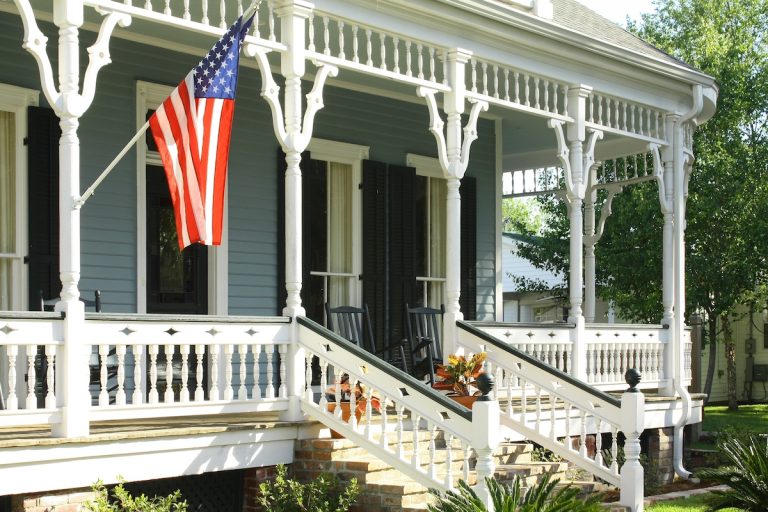
Savannah’s historic district transforms into a botanical wonderland in April as azaleas explode in vibrant pinks, purples, and whites against the backdrop of Spanish moss-draped oak trees. This floral spectacle perfectly complements the city’s meticulously preserved antebellum architecture, creating a photographer’s paradise at every turn. The Savannah Garden Club Tour offers rare access to private gardens normally hidden behind historic homes.
April brings ideal temperatures to Savannah, typically ranging from 70-80°F (21-27°C), warm enough to enjoy outdoor cafés but not yet stifling with summer humidity. The gentle climate makes it perfect for exploring the city’s 22 historic squares on foot, each one a green oasis with its own unique character and story.
Related Posts:


Beyond the visual splendor, April in Savannah delights all senses. The fragrance of jasmine and magnolia perfumes the air, while outdoor concerts in Forsyth Park provide a soundtrack to springtime strolls. Local restaurants showcase spring harvests with farm-to-table specials featuring regional delicacies like soft-shell crab and fresh strawberries.
- Forsyth Park – The city’s crown jewel bursts with azaleas around its iconic fountain
- Bonaventure Cemetery – Hauntingly beautiful with spring blooms among historic graves
- Telfair Academy – Rotating art exhibitions often feature botanical themes in April
- Wormsloe Historic Site – The famous oak-lined avenue gains additional magic with spring undergrowth
Desert rebirth: Death Valley’s secret spring spectacle
In a remarkable paradox, Death Valley—one of Earth’s hottest and driest places—transforms into a living canvas of wildflowers every April during good rainfall years. This rare phenomenon, known as a “superbloom,” carpets the harsh desert landscape with golden poppies, purple phacelia, white evening primrose, and desert marigolds. The contrast between vibrant blooms and the stark mountain backdrop creates surreal panoramas that seem almost otherworldly.
April temperatures in Death Valley hover around a comfortable 80-90°F (27-32°C), making it the perfect time to explore before summer’s brutal heat renders the park nearly uninhabitable. These moderate conditions open up hiking opportunities that would be dangerous in warmer months, allowing visitors to explore hidden canyons and distinctive geological formations.
The Badwater Basin, North America’s lowest point at 282 feet below sea level, offers a particularly striking experience in April. The normally blinding white salt flats become dotted with resilient desert blooms, creating a photographer’s dream scenario during golden hour as the surrounding mountains reflect pink and purple hues.
Tips for Death Valley in April
- Check the Death Valley Wildflower Update webpage before your trip to pinpoint current bloom locations
- Visit Zabriskie Point at sunrise for dramatic light on the badlands
- Pack layers—night temperatures can still drop below 50°F (10°C)
- Bring twice as much water as you think you’ll need, even in spring
- Consider staying at The Oasis at Death Valley or Stovepipe Wells to avoid long drives in and out of the park
- Use a polarizing filter for wildflower photography to reduce glare and enhance colors
Nature’s awakening: Zion National Park’s spring revival
April marks Zion National Park’s prime season, as winter’s snow melt transforms the park’s iconic red rock landscape. Emerald pools overflow, waterfalls cascade with renewed vigor, and the Virgin River runs full and melodious through the canyon. The contrasting colors—red rock, blue sky, and fresh green foliage—create a visual symphony that captivates even the most seasoned travelers.
With temperatures typically ranging from 65-75°F (18-24°C), April offers ideal hiking conditions before summer’s scorching heat arrives. The famous Angels Landing and The Narrows trails become accessible as winter conditions retreat, yet visitation remains approximately 30% lower than peak summer months.
Spring wildlife viewing opportunities abound as animals emerge from winter dormancy. Keen observers might spot mule deer with new fawns, numerous bird species in mating plumage, and occasionally desert bighorn sheep navigating seemingly impossible cliff faces. The park’s diverse microclimate zones—from desert to riparian—display different stages of spring growth, rewarding those who explore various elevations.
Photographers particularly prize April’s lighting conditions in Zion. The still-low angle of spring sunlight creates dramatic shadows that accentuate the sculptural quality of the park’s formations. Morning mist often lingers in the canyon, creating ethereal scenes as sunlight filters through.
| Zion Hike | Difficulty | April Highlight | Duration |
|---|---|---|---|
| Emerald Pools | Easy to Moderate | Overflowing waterfalls | 2-3 hours |
| Riverside Walk | Easy | Lush riverside vegetation | 1-2 hours |
| Angels Landing | Strenuous | Clear views, cooler temperatures | 4-5 hours |
| Observation Point | Strenuous | Panoramic canyon views with spring colors | 6 hours |
Historic elegance: Charleston’s storied garden tours
Each April, Charleston unveils its most closely guarded treasures during the Historic Charleston Foundation’s Festival of Houses and Gardens. This prestigious event grants rare access to private historic homes and their immaculately maintained gardens, many dating back to the 18th and 19th centuries. As you stroll through hidden courtyards and formal gardens, the intoxicating fragrance of Confederate jasmine and wisteria fills the air, creating a sensory experience as rich as the city’s history.
April’s gentle temperatures (typically 65-75°F/18-24°C) make exploring Charleston’s historic district a pleasure. The city’s famed Rainbow Row of pastel-colored Georgian townhouses appears even more vibrant against the backdrop of spring blooms and blue skies. The atmospheric French Quarter and Battery neighborhoods exude particular charm as flowering trees create natural canopies over the historic streets.
Culinary experiences reach their peak in April as Charleston’s renowned restaurants showcase spring harvests. Local specialties like soft-shell crab (in season only a few weeks each spring) and Lowcountry shrimp feature prominently on menus. The Charleston Farmers Market in Marion Square bursts with seasonal produce, artisanal foods, and handcrafted goods each Saturday.
Useful Info: Charleston’s Historic Garden Tours
The Festival of Houses and Gardens typically runs from mid-March through mid-April. Tickets for specific garden tours sell out months in advance, so early booking is essential. For a more budget-friendly alternative, consider the Charleston Horticultural Society’s GardenPop event, which showcases contemporary gardens and innovative landscape design.Many historic sites, including Middleton Place and Magnolia Plantation, offer spectacular gardens that are open to the public year-round but reach peak bloom in April.
Rainbow fields: Skagit Valley’s tulip extravaganza
Just 60 miles north of Seattle, the Skagit Valley transforms into a kaleidoscope of color each April as millions of tulips burst into bloom across hundreds of acres of farmland. The annual Skagit Valley Tulip Festival celebrates this spectacular display with a month-long series of events, drawing flower enthusiasts from around the world. Unlike European tulip displays that are often formally arranged in gardens, Skagit Valley’s commercial tulip fields create vast color blocks that stretch to the horizon, creating breathtaking panoramas with the Cascade Mountains as a dramatic backdrop.
Two major growers, RoozenGaarde and Tulip Town, offer different visitor experiences. RoozenGaarde features a formal display garden with nearly 100 varieties arranged in intricate patterns, while Tulip Town offers tractor rides through the fields and indoor flower shows. Both provide stunning photo opportunities that have made this region Instagram-famous.
April weather in the Pacific Northwest can be unpredictable, with temperatures typically ranging from 50-60°F (10-15°C) and frequent light rainfall. The ever-changing sky conditions—from dramatic storm clouds to brilliant sunshine—create dynamic lighting that photographers particularly prize. Raindrops clinging to vibrant tulip petals offer magical macro photography opportunities.
- Mount Vernon serves as the festival hub with art shows and local craft markets
- La Conner, a charming waterfront town, offers excellent dining and boutique shopping
- Deception Pass State Park provides stunning coastal views just a short drive away
- Samish Bay oyster farms offer fresh seafood tastings with spring wine pairings
Tips for the Tulip Festival
- Visit on weekdays to avoid the significant weekend crowds
- Arrive early morning (fields open at 9 AM) or late afternoon for best photography light
- Check the Bloom Map on the festival website for current field conditions
- Wear waterproof footwear as fields can be muddy
- Bring cash for field admission fees ($10-15 per person)
- Consider bicycling between fields—bike rental services are available during the festival
- Red rock spirituality: Sedona’s mystical awakening
April unveils Sedona at its most enchanting, as the iconic red rock formations become adorned with delicate desert wildflowers and the sparse vegetation adopts a vibrant green hue against the rust-colored landscape. The dramatic temperature shift between day and night—typically 70-80°F (21-27°C) during daylight hours dropping to 40-50°F (4-10°C) after sunset—creates magical conditions for both exploration and photography.
The region’s famous vortexes—areas purported to emit energy conducive to healing, meditation, and self-exploration—draw spiritual seekers year-round, but April’s mild climate makes extended meditation sessions particularly comfortable. Cathedral Rock, Bell Rock, and Boynton Canyon rank among the most powerful vortex sites, each offering unique energetic properties according to local spiritual practitioners.
Beyond spiritual pursuits, April presents ideal conditions for Sedona’s extensive trail network. The West Fork Trail showcases spring’s renewal as cottonwoods and sycamores leaf out along the creek, while the famous Devil’s Bridge Trail leads to a natural sandstone arch that frames spectacular views of greening valleys. Mountain biking enthusiasts particularly prize the Hiline Trail and Hangover Trail for technical challenges combined with breathtaking vistas.
Good to Know: Sedona’s Dark Sky Designation Sedona holds the prestigious International Dark Sky Community designation, making April’s clear nights ideal for astronomical observation. The Sedona Star Party, typically held in April, offers guided telescope viewing with professional astronomers. Even without equipment, the Milky Way becomes strikingly visible from numerous locations around Sedona. For the best experience, plan your stargazing during the new moon phase when skies are darkest.
The perfect timing: why April reigns supreme for American travel
April represents that magical sweet spot in the American travel calendar—a month when nature puts on spectacular shows across diverse ecosystems while tourist crowds remain manageable and prices haven’t yet reached summer peaks. From desert superblooms to cherry blossom festivals, from southern garden tours to tulip extravaganzas, this pivotal spring month offers experiences impossible to replicate in any other season.
The moderate temperatures that characterize April across most of the country create ideal conditions for outdoor exploration. Hiking trails dry out from winter moisture yet remain cool enough for comfortable exertion. Historic districts become walkable for hours without the summer humidity that will soon descend on southern locations. Desert environments invite exploration before the scorching heat makes them forbidding.
Perhaps most compelling is April’s ephemeral nature—many of these experiences exist for just a few weeks each year. The cherry blossoms of Washington D.C., the wildflower superblooms of Death Valley, and the tulip fields of Skagit Valley represent fleeting moments of natural perfection that reward those willing to plan their travels around these precious calendar windows.
As you contemplate your next spring adventure, consider embracing April’s unique offerings across America’s diverse landscapes. These seven destinations represent just a fraction of what this transformative month has to offer across the country. From the dramatic canyons of the Southwest to the historic gardens of the Southeast, from mountain wilderness to urban oases, April delivers travel experiences at their absolute peak—journeys that will linger in your memory long after the blooms have faded and the seasons have turned.