Nestled away from bustling tourist trails and high-rise resorts lie America’s hidden gems – charming villages that captivate with authentic experiences, rich histories, and breathtaking landscapes. While millions flock to Manhattan’s skyscrapers or Miami’s beaches, savvy travelers are discovering the soul of America in its small, enchanting communities. These lesser-known destinations offer immersive cultural experiences where time seems to slow down, allowing you to connect with local traditions, savor regional cuisine, and explore pristine natural surroundings without the crowds.
In Brief
- Discover 10 captivating villages across America that remain delightfully under the radar
- Experience authentic local culture away from commercial tourist traps
- Enjoy unique accommodations from historic inns to boutique B&Bs
- Savor regional cuisine and artisanal products directly from producers
- Explore pristine natural settings and outdoor activities without the crowds
[toc]
Charming coastal hideaways that time forgot
Along America’s vast coastlines lie villages where maritime heritage remains vibrantly alive. In Stonington, Maine, you’ll find a working fishing village where lobstermen still head out before dawn in wooden boats that have barely changed in design for generations. The village’s granite-lined streets lead to weathered docks where you can watch the day’s catch being unloaded – and likely find the freshest lobster roll of your life at a modest waterfront shack.
Further south in Cape May Point, New Jersey, Victorian architecture reigns supreme in what might be the East Coast’s most perfectly preserved 19th-century village. Unlike its more boisterous neighbor Ocean City, this tranquil community offers peaceful beaches where horseshoe crabs nest and migratory birds rest during their seasonal journeys. The iconic lighthouse stands sentinel over a landscape that feels pleasantly frozen in time.
On the Pacific side, Mendocino, California perches dramatically on coastal bluffs with a distinctly artistic soul. This former logging community reinvented itself as a haven for artists and craftspeople. The entire village is listed on the National Register of Historic Places, with its New England-style architecture reflecting the origins of its 19th-century settlers who arrived by ship from the Atlantic coast.
Good to Know: Coastal Village Access
Many of these coastal villages have limited parking, especially during summer months. Consider visiting during shoulder seasons (May/June or September/October) for milder weather, fewer crowds, and often better accommodation rates. Some villages offer shuttle services from nearby larger towns during peak tourist season.
- Stonington: Accessible by car, but consider taking the mail boat from nearby Isle au Haut for a uniquely local arrival experience
- Cape May Point: Bicycle-friendly streets make renting bikes an excellent option
- Mendocino: Limited cell service in some areas – download maps before arrival
Mountain hamlets with awe-inspiring backdrops
America’s mountain ranges hide some of its most extraordinary villages. In Ouray, Colorado, often called the “Switzerland of America,” Victorian-era buildings are dwarfed by towering peaks on all sides. This former mining town has transformed into an outdoor enthusiast’s paradise while retaining its historic character. The village is famous for its therapeutic hot springs, where you can soak while gazing up at amphitheater-like mountain walls rising 3,000 feet above.
In the Catskills of New York, Andes represents the perfect blend of rural charm and contemporary creativity. Once a sleepy farming community, it’s now home to an eclectic mix of antique shops, farm-to-table restaurants, and artist studios housed in beautifully restored 19th-century buildings. The surrounding mountains offer spectacular hiking trails that lead to viewpoints overlooking the village’s patchwork of historic farms and forests.
Related Posts:


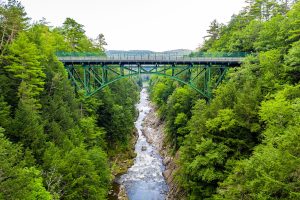
Tucked into the Great Smoky Mountains, Little Switzerland, North Carolina lives up to its name with winding roads that climb through mist-covered peaks to reach this Alpine-inspired community. Founded as a mountain retreat in 1910, the village features distinctive chalet architecture and panoramic views that stretch for over 100 miles on clear days. Its elevation provides a natural air conditioning that has attracted heat-weary southerners for generations.
| Mountain Village | Elevation | Best Season to Visit | Signature Experience |
|---|---|---|---|
| Ouray, Colorado | 7,792 ft | Summer (June-August) | Ice climbing in the Ouray Ice Park (winter) or hiking the Perimeter Trail |
| Andes, New York | 1,364 ft | Fall (October) | Antiquing on Main Street and visiting the Andes Farmers Market |
| Little Switzerland, NC | 3,200 ft | Spring (April-May) | Driving the spectacular Diamondback motorcycle route |
Desert jewels with surprising cultural richness
America’s deserts hide villages that defy expectations and showcase remarkable adaptability. Tubac, Arizona, established in 1752 as a Spanish presidio, now thrives as an artist colony with more than 100 galleries and studios clustered in adobe buildings along dusty streets. Its slogan, “Where Art and History Meet,” perfectly captures how this village has transformed its frontier heritage into a contemporary cultural experience while maintaining authentic southwestern character.
In the high desert of New Mexico, Chimayó represents one of America’s most spiritually significant small communities. Home to the Santuario de Chimayó, often called the “Lourdes of America,” this village attracts thousands of pilgrims annually who seek healing from the “holy dirt” found inside the church. Beyond its religious significance, Chimayó is renowned for its distinctive weaving traditions that have been passed down for generations and its exceptional heirloom chile varieties.
Defying desert expectations entirely, Paia, Hawaii sits at the beginning of Maui’s famous Road to Hana. This former sugar plantation village has evolved into a bohemian enclave with surprising cultural diversity. Its colorful wooden storefronts house everything from traditional Hawaiian craft shops to sophisticated farm-to-table restaurants supplied by the upcountry farms. Despite development on other parts of the island, Paia maintains its authentic character as a gathering place for locals, surfers, and in-the-know travelers.
Tips for Desert Village Exploration
- Always carry more water than you think you’ll need – desert environments are deceptively dehydrating
- Visit Tubac during its annual Festival of the Arts (February) to see the village at its most vibrant
- In Chimayó, respect religious sites by dressing modestly and observing quiet during ceremonies
- For Paia, arrive early in the day (before 9am) to secure parking before day-trippers arrive
- Desert temperatures can fluctuate dramatically – pack layers even in summer when evenings can be surprisingly cool
Riverside communities with timeless appeal
America’s rivers have long served as lifelines for small communities that developed along their banks. New Hope, Pennsylvania, straddling the Delaware River, began as a mill town and ferry crossing point in the 18th century. Today, its well-preserved stone buildings house an eclectic mix of galleries, theaters, and boutiques that attract creative types from nearby New York and Philadelphia. The towpath running alongside the historic canal offers a peaceful walking route with views of both the river and the village’s carefully maintained historic architecture.
In the heartland, Hermann, Missouri stands as a testament to America’s immigrant heritage. Founded by German settlers in the 1830s, this riverside village was designed to resemble villages along the Rhine, with hillside vineyards and distinctive brick architecture. The Missouri River provided transportation for the village’s wines, which won international awards in the late 19th century before Prohibition nearly destroyed the industry. Today, Hermann’s wineries have been revitalized, and its Oktoberfest celebrations rival those of much larger cities.
Along the Mississippi, Stockholm, Wisconsin (population 66) proves that size doesn’t determine cultural significance. Founded by Swedish immigrants in 1854, this tiny village has reinvented itself as a hub for artisanal foods, crafts, and performing arts. Its location on Lake Pepin, the widest naturally occurring part of the Mississippi River, provides both stunning vistas and recreational opportunities. The village’s annual “Stockholm Art Fair” transforms the community into an open-air gallery attracting thousands while maintaining its intimate character.
Hidden historical hamlets with preserved pasts
Some of America’s most fascinating villages are those where history remains tangibly present in everyday life. Zoar, Ohio was established in 1817 by German religious separatists seeking freedom from persecution. The communal society they established lasted until 1898, leaving behind a village of distinctive red-brick buildings and a garden designed to symbolize their vision of heaven on earth. Today, over 50 original structures remain, many serving as museums where interpreters in period clothing demonstrate traditional crafts.
In the Hudson Valley, Kinderhook, New York played a significant role in America’s early political development as the home of Martin Van Buren, the eighth U.S. president. This Dutch-influenced village maintains numerous Federal and Georgian-style buildings from the 18th and early 19th centuries. Beyond its presidential connections, Kinderhook has literary significance as a setting in Washington Irving’s “The Legend of Sleepy Hollow,” with many locations from the story identifiable in the village today.
Further south, Waterford, Virginia stands as one of the best-preserved 18th-century villages in America. Founded by Quakers in 1733, its remarkably intact collection of Federal and Victorian buildings earned it National Historic Landmark designation. The village successfully fought off modern development pressures through an innovative conservation program that purchased development rights from landowners. This preservation effort maintains the agricultural landscape surrounding the village, creating a living museum where contemporary life unfolds amid authentic historical settings.
| Historical Village | Founded | Architectural Style | Must-See Historical Site |
|---|---|---|---|
| Zoar, Ohio | 1817 | German Federal | The Zoar Garden with its central evergreen tree symbolizing eternal life |
| Kinderhook, NY | 1661 | Dutch Colonial/Federal | Lindenwald, Martin Van Buren’s 36-room mansion |
| Waterford, VA | 1733 | Federal/Victorian | Waterford Old School, now a community cultural center |
Useful Info: Accommodations in Historic Villages
Many historical villages offer unique lodging experiences in buildings that have stood for centuries. These accommodations often combine historic charm with modern amenities:
- Historic Inns: Often the oldest businesses in these villages, many dating to stagecoach days
- Converted Buildings: Former mills, schools, and even churches transformed into distinctive lodgings
- Living History Experiences: Some villages like Zoar offer overnight stays in houses furnished with period-appropriate decor
- Booking Tips: Reserve well in advance (3-6 months) for peak seasons, especially for fall foliage periods in New England and Appalachian villages
Planning your village-hopping adventure
Creating an itinerary that connects these underrated villages requires thoughtful planning but rewards travelers with authentic experiences far from typical tourist routes. Consider regional clustering – for example, Kinderhook and Andes could form part of a Hudson Valley exploration, while Chimayó and Tubac fit naturally into a Southwestern cultural tour. Allow ample time in each location – these villages reward slow exploration rather than rushed sightseeing.
Accommodations in these smaller communities often reflect their distinctive character. Historic inns, boutique B&Bs, and even farmstay opportunities provide immersive experiences beyond what chain hotels offer. Many village innkeepers serve as informal concierges with intimate knowledge of local attractions and off-the-beaten-path experiences not found in guidebooks.
Transportation considerations vary by region. While most villages are accessible by car, some coastal and mountain communities have limited parking or seasonal road closures. Research local transportation options – some villages offer shuttle services from nearby transportation hubs, while others are best explored by bicycle after arrival. Whatever your mode of transport, the journey to these destinations often proves as memorable as the villages themselves, with scenic routes traversing some of America’s most spectacular landscapes.
Seasonal considerations for optimal visits
Each of these villages displays different charms throughout the year. Mountain communities like Ouray transform seasonally from summer hiking havens to winter wonderlands for ice climbing and hot springs soaking. Coastal villages often shine brightest during shoulder seasons when summer crowds have departed but restaurants and shops remain open. Desert communities like Tubac are most comfortably explored during winter months when temperatures moderate.
Many villages host signature events that showcase their distinctive culture. Hermann’s Maifest celebrates German heritage with traditional music and wine tastings as spring vineyards begin to green. Stockholm’s weekly summer concert series brings regional musicians to perform against the backdrop of Lake Pepin sunsets. Waterford’s annual fair, running continuously since 1944, demonstrates traditional crafts in historic buildings throughout the village.
Consider how seasonal changes affect not just climate but the overall experience. Fall foliage transforms New England and Appalachian villages into colorful canvases, while spring wildflowers carpet desert communities with unexpected color. Winter in coastal villages offers moody, atmospheric experiences with stormy seas and cozy fireside dining. By timing your visit thoughtfully, you’ll experience these communities when their natural and cultural attributes align for maximum impact.
Preserving village authenticity for future generations
The enduring appeal of these villages stems from their ability to maintain authentic character while adapting to contemporary needs. Many communities actively work to balance preservation with sustainable development through community land trusts, architectural review boards, and careful zoning. As a visitor, you can support these efforts by patronizing locally-owned businesses, respecting community guidelines, and embracing each village’s distinctive pace of life.
Environmental stewardship represents another crucial aspect of village preservation. Communities like Mendocino pioneered water conservation techniques decades before they became common practice elsewhere. Paia’s businesses have collectively reduced plastic usage through community initiatives. By following local environmental practices during your visit, you help ensure these communities remain viable for generations to come.
Cultural sustainability deserves equal consideration. Villages like Chimayó maintain traditional craft practices through apprenticeship programs that pair elders with younger community members. Zoar’s historical society documents oral histories from longtime residents. As visitors, we can support these efforts by learning about local traditions, purchasing authentic crafts directly from artisans, and approaching these communities with respect for their living heritage.
America’s underrated villages offer far more than picturesque settings – they provide windows into our shared heritage and laboratories for sustainable community development. By venturing beyond famous destinations to explore these hidden gems, travelers discover authentic experiences while supporting communities working to preserve their distinctive character. The villages highlighted here represent just a sampling of the extraordinary small communities waiting to be discovered across the American landscape. Each offers its own blend of natural beauty, cultural richness, and historical significance – all while maintaining the intimate scale and personal connections that define village life at its best. Your journey through these remarkable places may begin as simple tourism but will likely evolve into something deeper: a meaningful connection with the diverse traditions and landscapes that have shaped our national identity.